
Views: 0 Author: Site Editor Publish Time: 2026-08-18 Origin: Site


Moving out-of-gauge freight operates outside standard supply chain tolerances. You deal with massive weights, extreme dimensions, and highly sensitive components where a single point of failure triggers catastrophic financial, operational, or structural loss. Standard freight procurement strategies fail here. Decision-makers often underestimate the compounding technical, environmental, regulatory, and geopolitical variables involved in moving heavy machinery.
Mitigating oversized cargo shipping risks requires moving far beyond basic insurance coverage. You need a rigorous, engineering-led evaluation of transport methodologies. This involves comprehensive risk management surveys, precise mathematical planning, and execution by specialized logistics partners. Relying on assumptions or standard flatbed practices inevitably leads to damaged cargo, severe delays, or critical safety incidents. We evaluate these risks by looking at root causes and mitigation frameworks.
Engineering Precedes Execution: The majority of cargo damage and transit delays stem from mathematical failures in load distribution and center-of-gravity calculations prior to movement.
Route Surveys are Non-Negotiable: Desktop routing is insufficient; physical route reconnaissance and formal risk management surveys are required to identify infrastructure limitations, bridge weight capacities, and municipal bottlenecks.
Specialized Securing is Critical: Standard tie-downs fail under the dynamic forces of heavy transport; precise cargo lashing for heavy equipment is required to prevent shifting, structural stress, and surface damage.
Macro-Level Awareness is Essential: Beyond technical failures, shippers must account for political, social, and economic risks, including cross-border customs complexities and local municipal pushback.
Provider Vetting Focuses on Redundancy: Selecting an oversized cargo logistics provider must be based on their contingency planning, engineering capabilities, and access to specialized, redundant equipment.
When heavy transport goes wrong, the fallout extends far beyond a simple insurance claim. The stakes involve multi-million dollar equipment, strict project deadlines, and significant public safety concerns. A failed transport operation impacts the entire supply chain ecosystem.
Damaging high-value machinery incurs immediate and severe costs. You face the direct expense of repairing or completely replacing custom-built equipment. Replacement parts for industrial gas turbines or mining excavators often require months of lead time to manufacture. If a load shifts or a trailer fails on a public highway, you must fund specialized salvage operations. Heavy wreckers, mobile cranes, and emergency environmental cleanup crews charge premium rates for immediate dispatch.
Standard salvage operations for heavy haul incidents typically involve:
Dispatching heavy-duty rotators to stabilize the shifted load and prevent further structural warping.
Deploying environmental teams to contain ruptured hydraulic lines or spilled diesel fuel.
Mobilizing secondary multi-axle trailers to receive the recovered cargo from the incident site.
Securing emergency road closure permits from local highway patrols to facilitate the crane lifts.
These direct costs rapidly deplete project contingency funds and strain operational budgets.
Delayed breakbulk shipping creates a cascading impact across your entire project timeline. If a critical 250-ton transformer fails to arrive at a substation construction site, the entire electrical grid expansion halts. Factory floors remain idle waiting for stamping presses. You miss operational milestones, triggering severe contractual penalties. The opportunity cost of a delayed facility launch often dwarfs the physical value of the cargo itself. Every day of delay translates directly to lost revenue and idle labor costs. A stalled refinery upgrade can cost hundreds of thousands of dollars daily in lost production capacity.
Infrastructure damage during transit carries massive legal consequences. Striking a municipal bridge or destroying a rural road surface leaves you liable for extensive municipal repairs. Environmental spills from ruptured hydraulic lines or fuel tanks trigger immediate regulatory fines and mandatory remediation. Beyond the legal battles, public safety incidents severely damage your corporate reputation. Local news coverage of a rolled-over multi-axle trailer bearing your company logo creates lasting negative sentiment. This jeopardizes future permit approvals in that jurisdiction and damages relationships with local stakeholders.
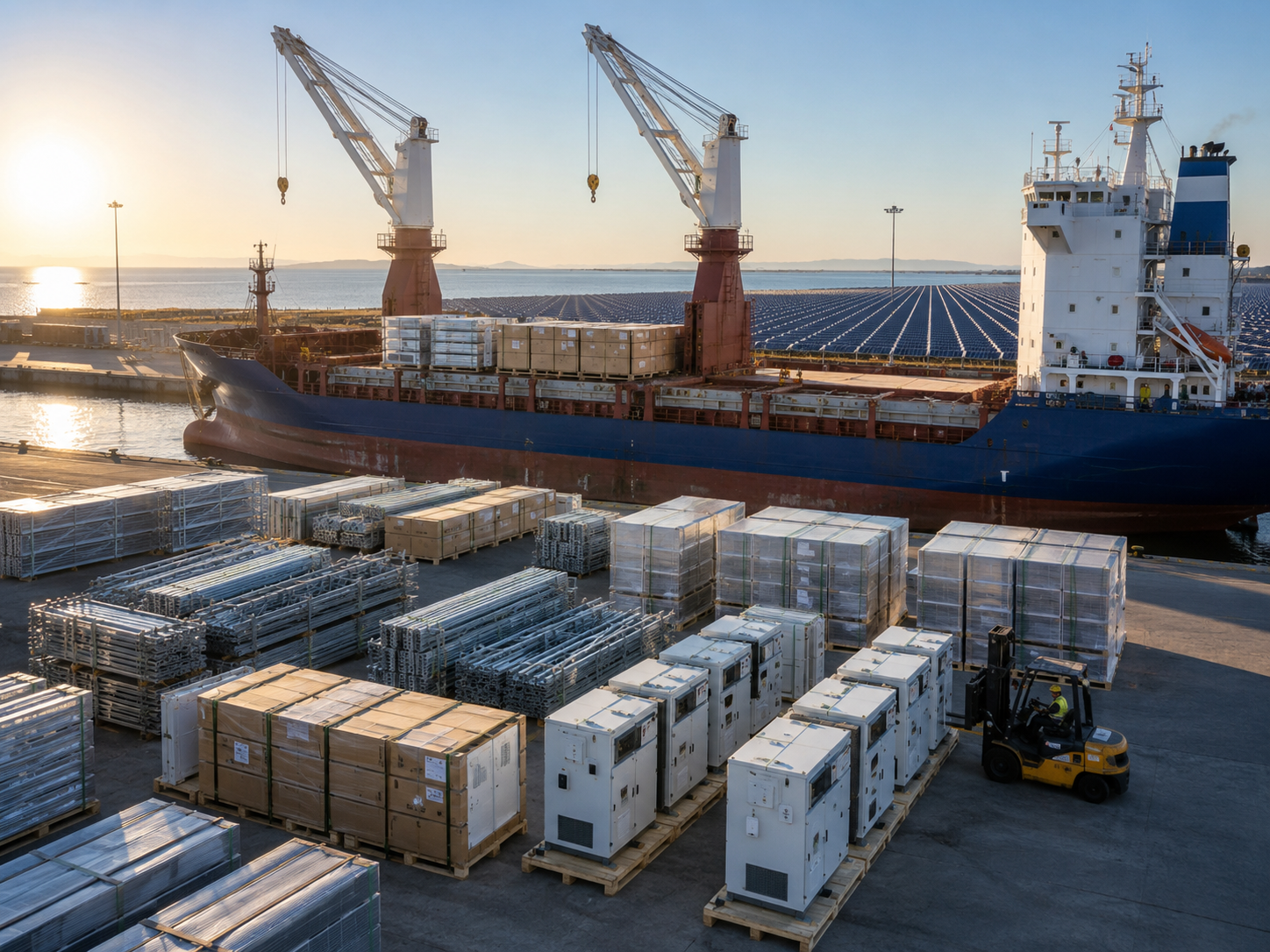
Understanding where failures originate is the first step in preventing them. Successful out of gauge cargo handling requires identifying and neutralizing these root causes long before the cargo leaves the manufacturing facility.
Securing heavy machinery is an engineering discipline, not a guesswork exercise. Standard friction mats and basic chain tie-downs are entirely insufficient for massive industrial components.
Failing to accurately identify and support the center of gravity leads directly to disaster. The geometric center of a machine rarely matches its actual center of gravity. If engineers miscalculate the balance point, the load exerts uneven pressure on the transport trailer. This causes structural warping of the cargo frame or catastrophic failure of the trailer axles. During lifting operations, an off-center lift causes the cargo to swing violently. This potentially crushes riggers or damages the crane boom. You must demand exact center-of-gravity schematics from the manufacturer before planning any movement. Loads are frequently rejected at the port because the physical center of gravity does not match the shipping documents.
Cargo experiences intense forces during transit. Acceleration, heavy braking, and lateral cornering forces constantly attack the securing mechanisms. Inadequate cargo lashing for heavy equipment stretches, snaps, or tears loose under these dynamic loads. When a 100-ton generator shifts even a few inches during oversized cargo transport, it drastically alters the trailer's balance. This often leads to an immediate rollover on highway off-ramps or roundabouts. You must calculate lashing angles and tension capacities based on the specific friction coefficient of the trailer deck, utilizing Grade 80 or Grade 120 lashing chains where appropriate.
Utilizing non-engineered lifting points during crane operations guarantees equipment damage. Riggers sometimes attach slings to structural cross-members or cosmetic housings instead of designated, reinforced lifting lugs. This places extreme localized stress on materials not designed to bear weight. The result is cracked welds, bent frames, or completely dropped loads. Always verify that lifting plans strictly utilize manufacturer-approved trunnions or lifting eyes.
A route that looks clear on a digital map can be impassable in reality. Relying on outdated data is a primary driver of transport failure.
Exceeding municipal weight limits destroys infrastructure and halts transport. You must verify the structural capacity of every bridge and culvert on the route. This often requires hiring independent civil engineers to conduct bridge structural reviews. Furthermore, failing to account for seasonal road conditions invites disaster. Spring thaw periods often trigger frost laws, severely reducing allowable axle weights to prevent asphalt destruction. Ignoring these restrictions results in immediate impoundment and massive fines.
Striking overpasses or utility lines is a frequent and entirely preventable error. Outdated route data fails to show recent road resurfacing, which reduces vertical clearance. Narrow toll booths, tight roundabouts, and low-hanging traffic signals present severe horizontal and vertical bottlenecks. Proper oversized cargo route planning requires physical reconnaissance using LiDAR or pole cars to measure exact clearances and identify necessary street furniture removal.
Heavy transport operates strictly at the mercy of local authorities. Failing to secure the correct multi-jurisdictional permits guarantees severe delays. Superload classifications often require six to eight weeks of lead time for permit approval. Each state, county, and city maintains different regulations regarding travel times, axle configurations, and escort requirements. Mismanaging police escorts or civilian pilot cars leaves the transport stranded at state lines. You must coordinate these elements weeks in advance to ensure seamless border transitions.
Industrial machinery is rugged, but transit environments are brutal. Exposing sensitive components to the elements causes irreversible damage.
A lack of industrial-grade protective materials leaves cargo vulnerable. Flying road debris, low-hanging branches, and loading dock impacts cause severe scratches, dents, and gouges. You must utilize heavy-duty tarpaulins, custom crating, or 12-mil impact-resistant shrink wrapping to shield machined surfaces and delicate external piping during transit.
Exposed machinery is highly vulnerable to saltwater ingress, high humidity, and driving precipitation. Ocean transit introduces highly corrosive salt spray. Road transport through winter conditions exposes metal to de-icing chemicals. You must mandate Volatile Corrosion Inhibitor (VCI) packaging and heavy-duty barrier bags. Desiccant packs placed inside sealed enclosures are critical to absorb internal moisture and prevent flash rusting on precision components. Humidity indicators should be installed to monitor internal conditions during long voyages.
Prolonged road vibration and violent ocean swells destroy sensitive internal electronics and uncalibrated moving parts. Standard mechanical suspension trailers transfer every road shock directly into the cargo. You must utilize air-ride suspension trailers and specialized vibration-dampening mounts. Moving parts, such as turbine blades or motor shafts, must be mechanically locked to prevent fretting and bearing damage caused by continuous transit oscillation. Installing impact recorders or shock watch indicators provides a verifiable record of transit forces.
Technical execution means nothing if the cargo is legally or politically blocked from moving.
Delayed customs clearances create massive economic risks. Specialized OOG equipment rarely fits neatly into standard tariff categories. They require unique Harmonized System (HS) classification codes and extensive technical documentation. Missing a single commercial invoice detail or failing to provide proper end-user certificates will strand your cargo at the port, racking up exorbitant daily storage fees. Utilizing temporary import bonds or Carnets requires precise paperwork execution.
Regional political instability and labor strikes at major ports indefinitely stall transport. You must monitor union contract negotiations at key discharge ports. Additionally, social pushback from local municipalities regarding road closures or noise pollution can force sudden, expensive route deviations. Engaging with local authorities early prevents community roadblocks and ensures smoother transit through populated areas.
Selecting the right transport mode dictates your risk exposure. Each method carries specific engineering requirements and operational hazards.
Understanding the mechanical differences between vessel types allows you to match the cargo to the safest transport method.
Transport Methodology Risk Comparison
Transport Method | Primary Advantage | Key Risk Factors | Best Suited For |
|---|---|---|---|
Roll-on/Roll-off (RoRo) | Eliminates crane lifting risks; cargo is driven or towed directly onto the vessel. | Limited by port ramp weight capacities and internal vessel deck heights. | Wheeled machinery, self-propelled cranes, and cargo on MAFI trailers. |
Lift-on/Lift-off (LoLo) | Handles extreme weights and massive dimensions using heavy-lift vessel cranes. | High risk of rigging failure, dynamic swinging, and reliance on perfect weather windows. | Massive static cargo, reactors, and heavy industrial modules. |
Flat Rack Containers | Integrates into standard container ship networks for faster transit times. | Exposure to elements, adjacent cargo hazards, and strict dimensional limits. | Moderately oversized machinery that fits within container cell guides. |
RoRo vessels significantly lower handling risks by eliminating the need for overhead crane lifts. Cargo rolls directly onto the ship via a stern ramp using Self-Propelled Modular Transporters (SPMTs) or MAFI trailers. However, you must evaluate the strict limitations regarding cargo dimensions and port-side ramp capacities. A load exceeding the ramp's safe working load or the vessel's internal deck clearance will be rejected at the terminal.
LoLo operations are necessary for extreme weights that exceed RoRo capabilities. Heavy-lift vessels use onboard cranes to hoist cargo into the hold. This introduces the high-risk nature of tandem crane lifts. Synchronizing two cranes requires perfect engineering and flawless communication. Rigging failures or sudden weight shifts during a LoLo operation usually result in total cargo loss and severe damage to the vessel.
Utilizing flat racks allows oversized cargo to travel on standard container ships. While cost-effective, this method presents unique risks. Cargo stowed on flat racks often sits exposed to the elements on the weather deck. Furthermore, you face adjacent cargo hazards. If neighboring containers are improperly secured, they can collapse onto your machinery during heavy seas.
The moment cargo leaves the ground is the moment of maximum risk. Rigging requires absolute precision and verified equipment.
Never assume rigging gear is safe. You must evaluate the certification and load-testing history of every shackle, wire rope sling, grommet, and spreader bar used in the lift. Equipment degrades over time through metal fatigue and harsh environments. Demand current, third-party inspection certificates for all lifting gear. Using uncertified or visually damaged rigging is a direct path to a dropped load. Implement a strict color-coding system to identify recently inspected gear on the job site.
Mother Nature dictates lifting schedules. Wind speed and sea state tolerances are critical during loading and discharging operations. High winds turn large cargo into a massive sail, making it impossible for crane operators to control the swing. Lifts involving large surface areas often require wind speeds below 9 meters per second. Swells cause the vessel to pitch and roll, creating dynamic shock loads on the crane cables. You must strictly adhere to the crane manufacturer's weather parameters, halting operations immediately if conditions deteriorate.
Your logistics partner makes or breaks the project. You must look past marketing brochures and aggressively audit their engineering and operational capabilities.
A competent oversized cargo logistics provider operates more like an engineering firm than a traditional freight broker.
Prioritize providers with in-house loadmasters and structural engineers. Outsourcing engineering creates communication gaps and delays. In-house teams conduct physical, documented route surveys and take direct accountability for the transport plan. They possess the specific technical knowledge required to design custom transport saddles, utilize swept path analysis software, and verify trailer axle load distributions.
Require providers to present formal, detailed risk assessments. A desktop review is useless. The survey must account for adverse weather patterns, local safety regulations, and geopolitical transit risks. It should detail specific bridge bypasses, necessary utility line lifts using bucket trucks, and exact turning radius calculations for critical intersections. If a provider cannot produce a physical route survey, disqualify them immediately.
Never sign a contract without reviewing the method statement. Define the requirement for comprehensive, mathematically verified lifting plans. This document must detail the exact crane configurations, rigging arrangements, center of gravity marks, and step-by-step execution procedures. It serves as the operational blueprint and the primary standard for accountability during the move.
Standard cargo insurance policies contain massive loopholes when applied to out-of-gauge transport. You must audit the fine print.
Instruct your risk management team to audit the provider's cargo insurance policies. Look specifically for exclusions related to acts of God, inherent vice, or specific handling errors. Ensure the policy covers the full replacement value of the custom machinery, plus the cost of expedited replacement shipping. Verify that the policy includes debris removal and environmental cleanup clauses.
Ambiguity in liability leads to massive legal disputes. Clarify the exact points of liability transfer between the equipment manufacturer, the logistics provider, the stevedores, and the final receiver. Define exactly who holds the risk when the cargo is suspended in the air during a crane lift. Use strict Incoterms and ensure all contracts explicitly state when the risk of loss shifts from one party to another.
Breakdowns will happen. The difference between a minor delay and a project disaster is the provider's backup plan.
Assess how providers handle prime mover breakdowns. Heavy haul trucks operate under extreme stress and frequently suffer mechanical failures. Evaluate their network for rapid equipment swaps en route. A top-tier provider maintains standby tractors, spare power packs for SPMTs, and has mobile repair units ready to deploy, preventing your cargo from sitting stranded on a highway shoulder for days.
Sudden infrastructure closures, severe weather, or unexpected permit revocations require immediate action. Evaluate the provider's capacity to pivot to secondary, pre-surveyed routes. If a bridge is suddenly downgraded due to an inspection, the provider must already have an engineered detour ready to execute. Lack of alternative routing guarantees massive project delays.
Oversized cargo shipping risks are primarily mitigated in the engineering, surveying, and planning phases, not during physical execution. By the time the cargo is loaded onto a multi-axle trailer or hoisted by a heavy-lift crane, the success or failure of the operation has already been determined by the math and preparation done weeks prior. Decision-makers must ruthlessly eliminate logistics providers who rely on standard freight practices. Disqualify any partner that lacks in-house engineering, ignores macro-level economic and political risks, or attempts to provide a transport quote without first requesting detailed technical drawings and center-of-gravity schematics of your cargo.
To secure your next heavy transport project, follow these steps:
Initiate an independent engineering study of your cargo's transport tolerances before soliciting bids.
Request a sample method statement and a redacted risk management survey from potential logistics partners to verify their capabilities.
Schedule a technical consultation with an engineering-led transport specialist to review your specific out-of-gauge requirements.
Audit the proposed cargo insurance policy for specific exclusions related to handling errors and acts of God.
A: The most common causes are improper lashing, uneven weight distribution, and dynamic force stress. Standard tie-downs fail under heavy braking or cornering, causing the load to shift. Additionally, a lack of industrial protective materials leaves the cargo highly vulnerable to surface damage from road debris and environmental exposure.
A: Standard routing relies on digital maps and standard clearances. Oversized routing requires physical route surveys, structural bridge engineering checks, and multi-state permitting. It mandates formal risk management surveys to identify low-hanging utility lines, narrow roundabouts, and seasonal weight restrictions that standard trucks simply ignore.
A: Breakbulk shipping exposes machinery to highly corrosive saltwater and severe weather conditions. It also involves high-risk tandem crane lifting operations. Relying on specialized stevedoring is mandatory, as improper rigging or sudden dynamic movements during loading can result in dropped loads or severe structural damage to the cargo.
A: Calculations rely on strict engineering standards, such as Annex 13 of the CSS Code. Engineers calculate the required lashing capacity based on the cargo's total weight, its exact center of gravity, the friction coefficient of the trailer deck, and the specific dynamic forces expected during the chosen transit mode.
A: Non-technical risks include regional political instability, labor strikes at major discharge ports, and social or municipal pushback regarding necessary road closures. Economic risks also play a major role, particularly customs delays due to incorrect HS classifications and fluctuating transit tariffs that impact project budgets.
A: You must demand comprehensive all-risk coverage that specifically includes loading and unloading operations. Look for clear liability transfer points. Ensure the policy limits cover the full replacement value of the machinery, the cost of expedited replacement shipping, and specific clauses for debris removal and environmental cleanup.
A: Weather dictates operational safety. High wind speeds halt crane operations due to load swing. Rough sea states prevent safe loading and cause dynamic shock loads on vessel cranes. On land, ice, snow, or heavy rain drastically reduce road traction, severely impacting the braking distance and stability of heavy multi-axle trailers.