


What Is Breakbulk Shipping?
Breakbulk shipping is an ocean transportation method for cargo that is loaded and handled as individual pieces instead of being placed inside standard shipping containers.
It is commonly used for cargo that exceeds container limits because of its length, width, height, weight, or irregular shape. Depending on the shipment, breakbulk cargo may be transported in crates, on supports, on trailers, directly in the vessel’s hold, or on deck.
Unlike routine container shipping, breakbulk cargo shipping requires cargo-by-cargo planning. The shipper, freight forwarder, inland carrier, port, terminal, vessel operator, and destination agent need to coordinate cargo handling, route selection, loading method, securing plan, documentation, and delivery timing.
What Cargo Can Be Shipped as Breakbulk?
Our breakbulk shipping services are designed for industrial and project-related cargo that cannot be transported efficiently in standard containers.
Typical cargo categories include:
Large machinery and production equipment
Engineering vehicles and construction equipment
Steel structures and fabricated steel products
Industrial plant components and project modules
Pinned tubes and other long industrial components
Oversized, overweight or irregularly shaped cargo
The final transportation method is not determined by the cargo name alone. Two machines used in the same industry may require completely different solutions because of differences in dimensions, weight distribution, packaging, lifting points or destination conditions.
Before recommending breakbulk freight shipping, our team evaluates whether the cargo should move by breakbulk vessel, bulk carrier, Ro-Ro service, special container, barge, inland heavy transport or a combination of several transport modes.

When Should You Choose Breakbulk Shipping?
Breakbulk shipping is often suitable when standard containerization creates operational, financial or safety limitations.
Cargo Exceeds Standard Container Limits
Breakbulk may be considered when machinery or equipment is too long, wide, high or heavy for a standard container. Transporting the cargo as an individual unit can avoid unsuitable container loading and excessive dismantling.
Equipment Should Remain Assembled
Some industrial machines are difficult, costly or time-consuming to dismantle and reassemble. Breakbulk transportation can allow the equipment to remain in larger sections, helping protect installation accuracy and reduce unnecessary handling.
Cargo Requires Specialized Handling
Heavy or irregularly shaped cargo may require carefully selected lifting equipment, loading positions, securing materials and vessel space. A customized handling plan helps coordinate these requirements before the shipment reaches the port.
Shipment Is Connected to a Project Schedule
Project cargo often consists of multiple pieces that must arrive in the correct sequence. Breakbulk shipping can be integrated with inland transportation, port operations and destination delivery planning to support the broader project timeline.
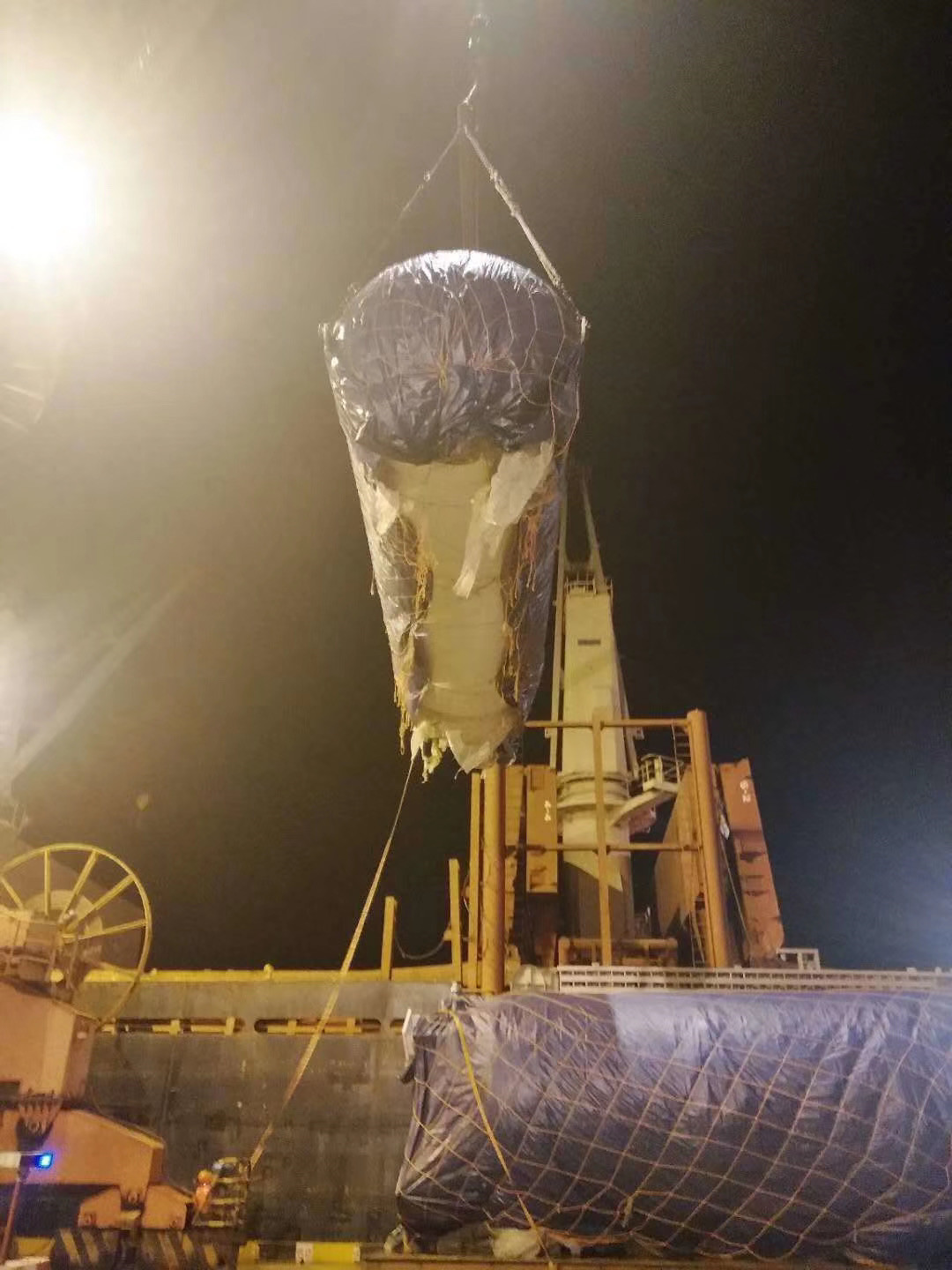
Breakbulk Shipping Applications
CNS INTERTRANS supports large-scale engineering and industrial projects where cargo dimensions, handling requirements and delivery schedules require more than a routine freight booking.
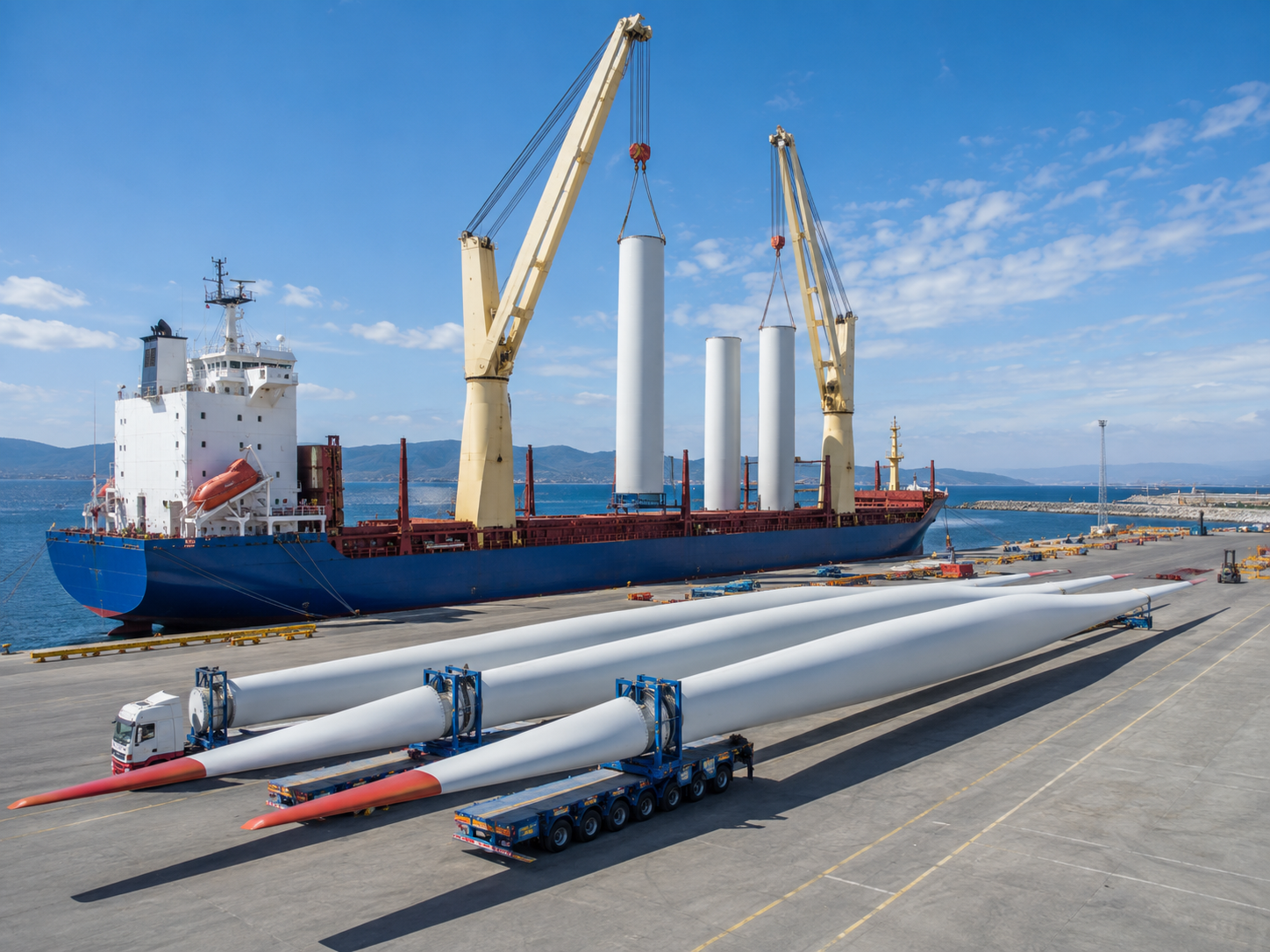
Wind Power Projects
Wind power developments may involve long, heavy or irregularly shaped components moving from different suppliers to ports and project locations. Breakbulk shipping can be coordinated with inland transport and port handling to support the movement of these project-related cargo units.
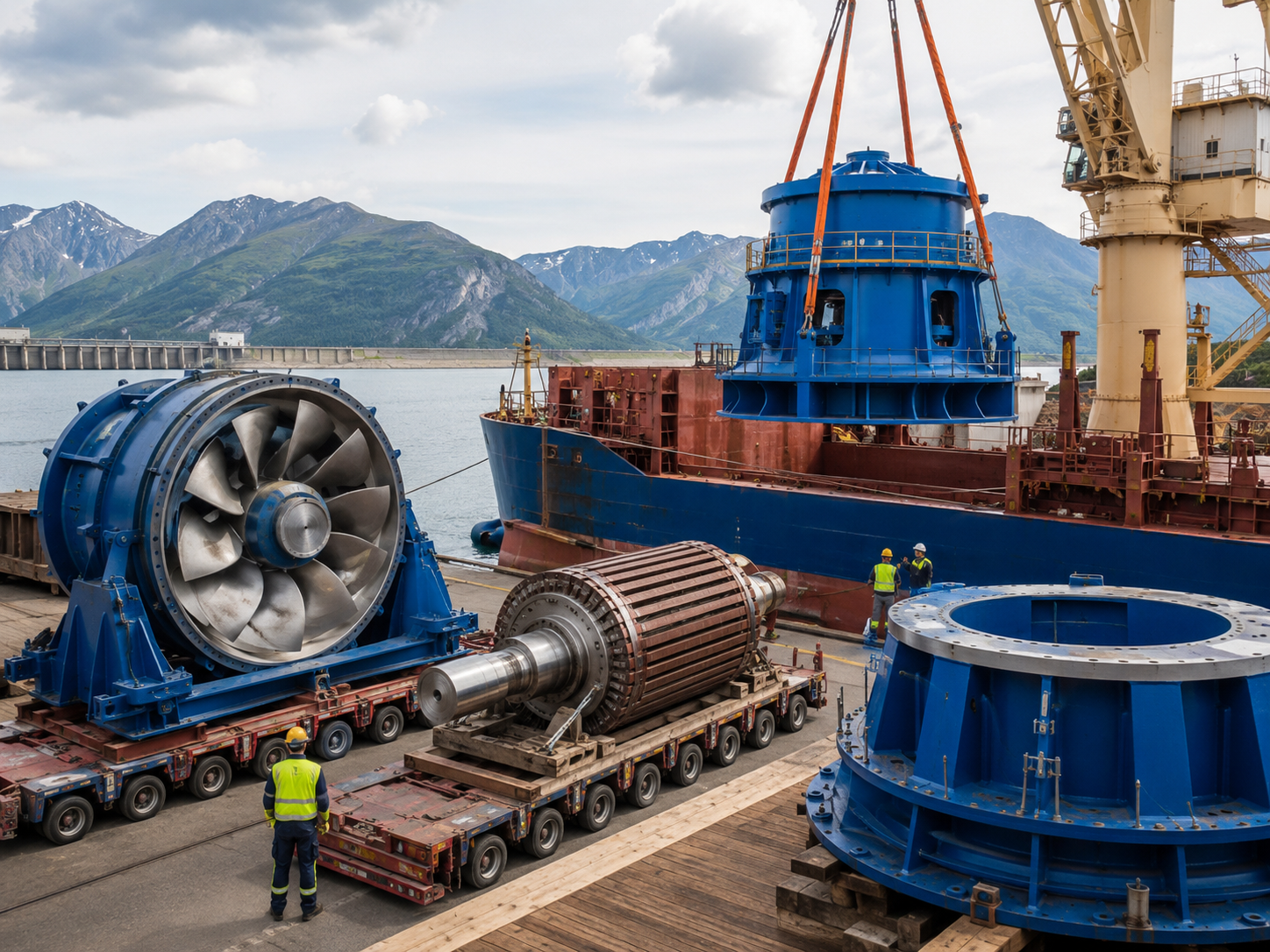
Hydropower Projects
Hydropower equipment may include large machinery, fabricated structures and components that require careful lifting and securing. A cargo-specific plan helps align vessel selection, loading operations and delivery timing with the requirements of the project.
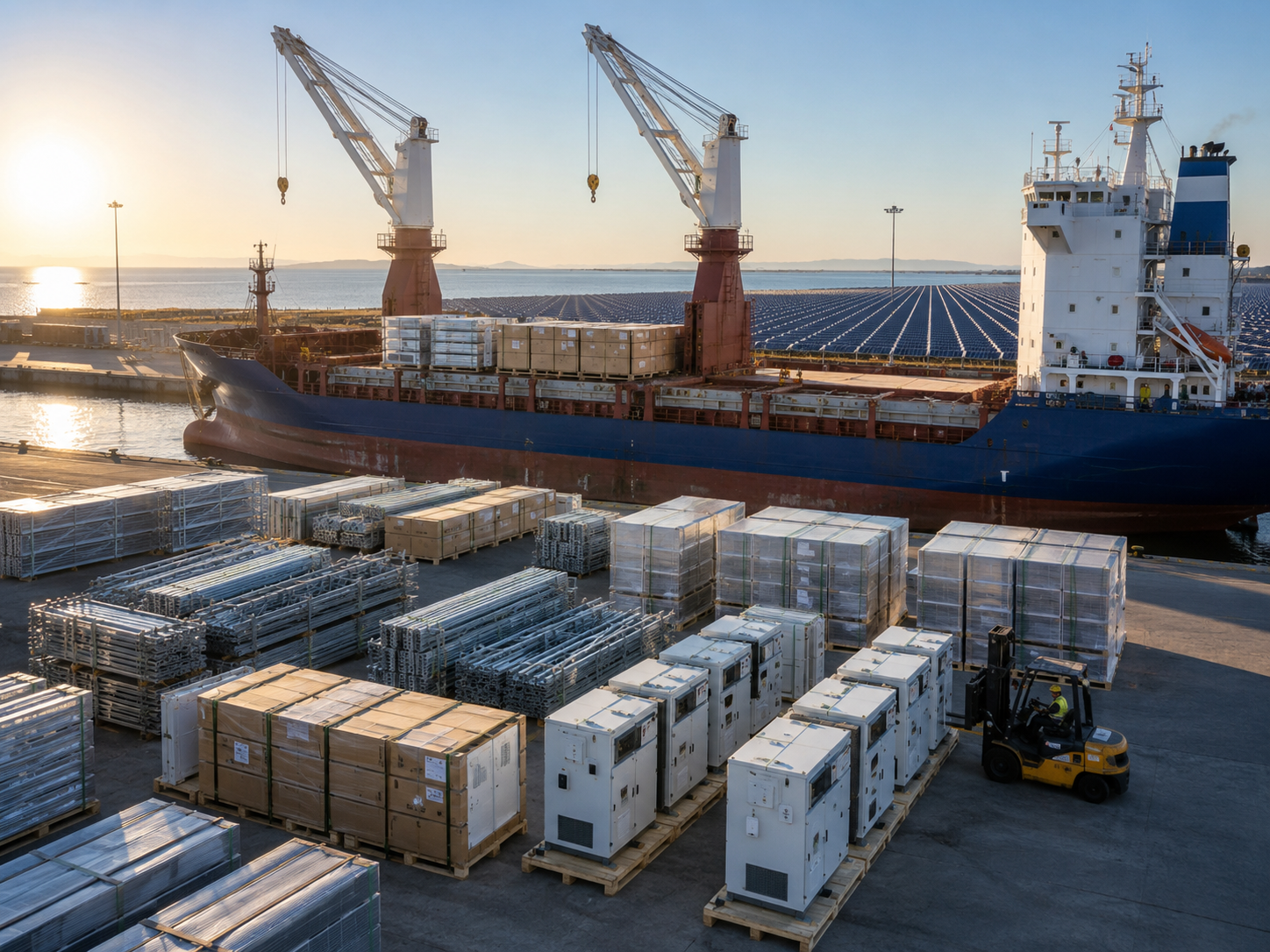
Solar Power Projects
Large solar energy developments can involve supporting structures, production equipment and grouped project cargo. CNS INTERTRANS can coordinate multiple transport stages and shipment batches based on the project location and installation schedule.
Petrochemical Engineering
Petrochemical projects may require the transportation of industrial equipment, structural components and regulated cargo. Breakbulk shipping can be combined with IMO cargo services when different cargo categories require separate compliance and handling arrangements.
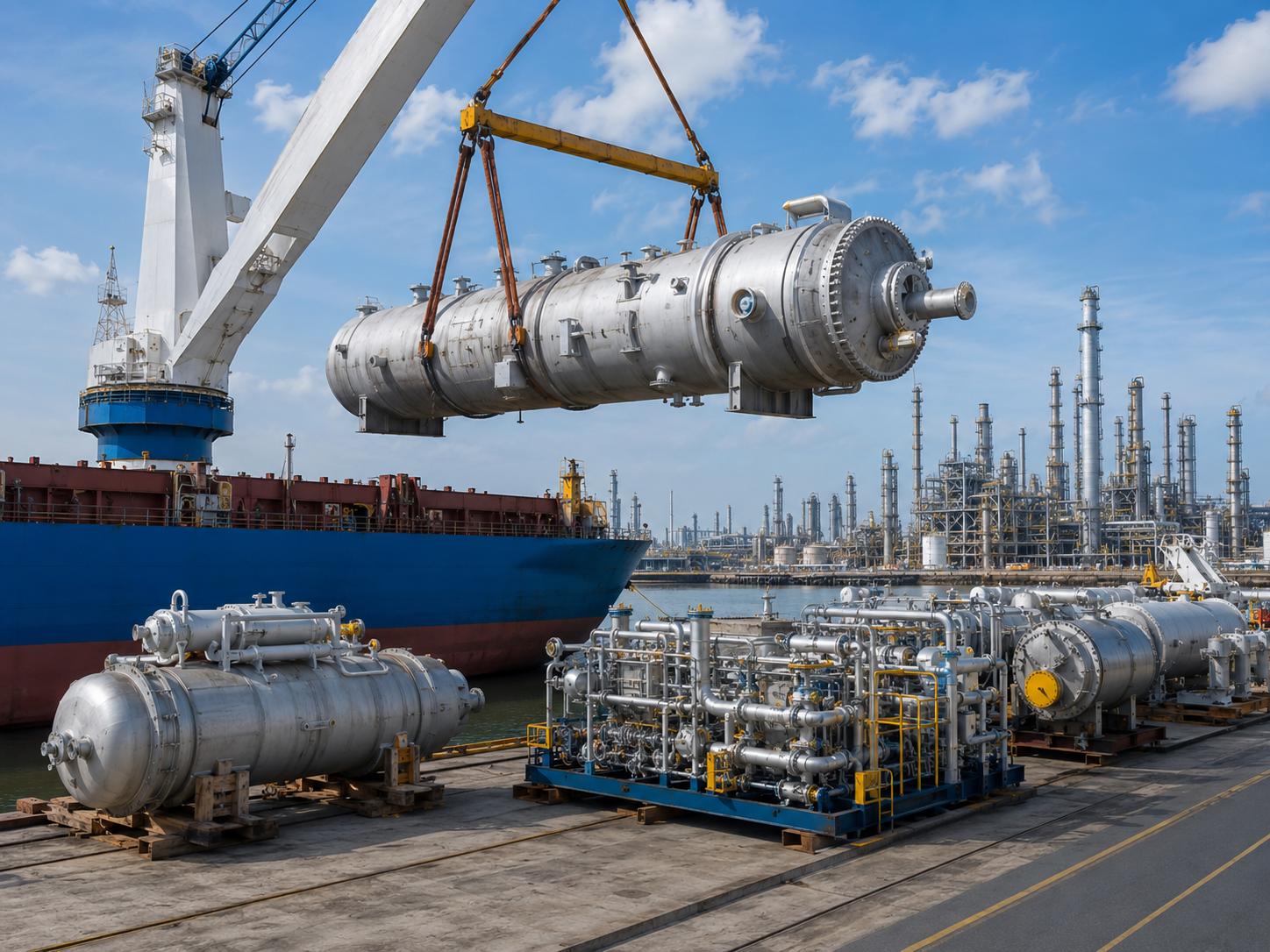
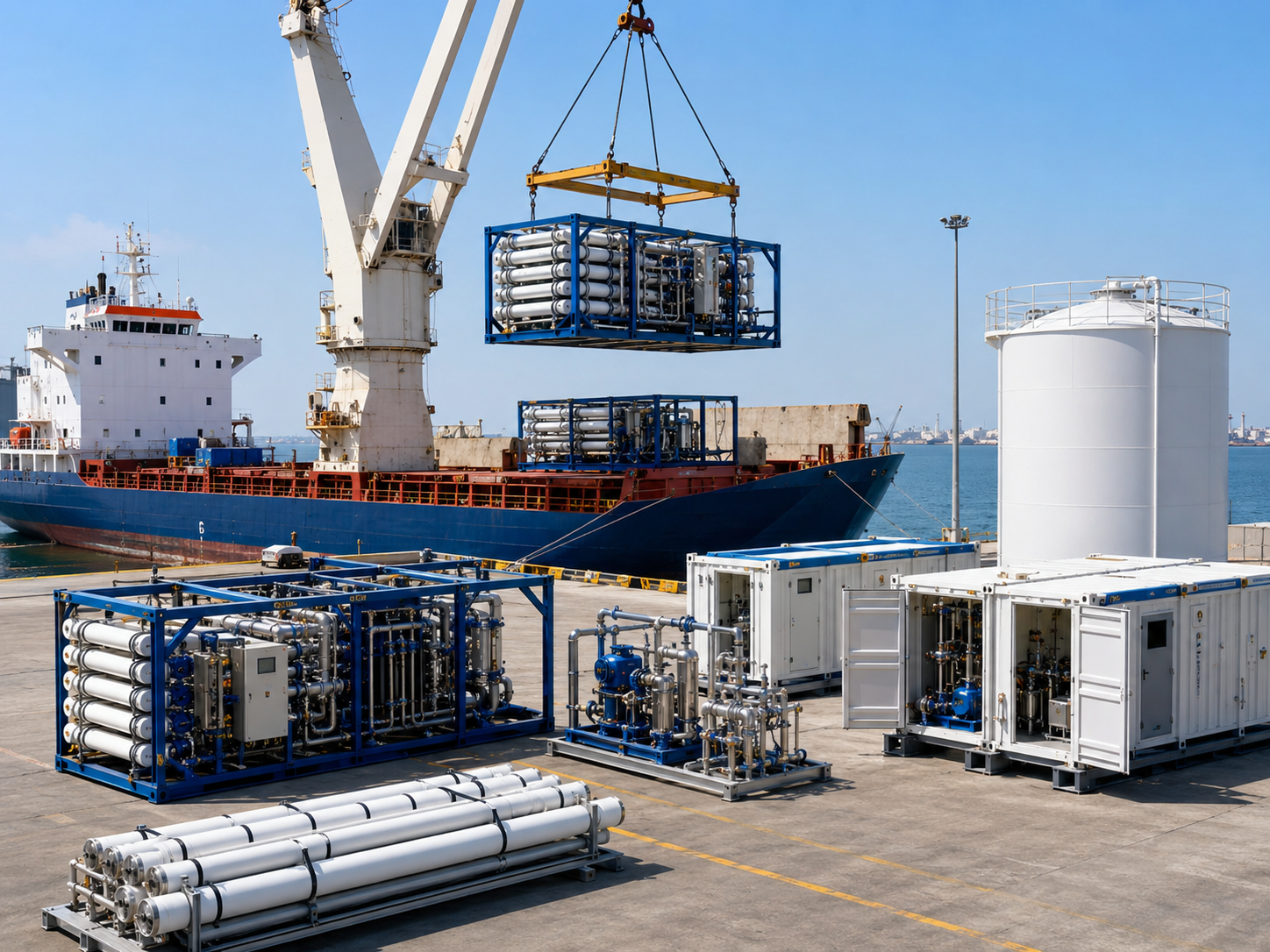
Seawater Desalination Projects
Desalination facilities depend on large equipment and industrial systems delivered from multiple origins. Integrated project logistics can help coordinate cargo collection, port operations, ocean transportation and destination handling.
Our Breakbulk Shipping Process
Cargo Information Review
The process begins with the collection of accurate cargo information. We review the cargo description, quantity, dimensions, gross weight, packaging, center of gravity, lifting points, securing points and available technical drawings.
Photos and drawings help the operations team understand the cargo shape and determine whether additional supports, cradles, lifting frames or securing arrangements may be required.
Route and Port Assessment
The transportation route is evaluated from the origin location to the final destination. This may include inland road conditions, port access, terminal handling capabilities, vessel schedules, transshipment arrangements and destination restrictions.
For oversized cargo, the shortest route is not always the most suitable route. The selected plan must balance handling conditions, available equipment, vessel space, transportation time and overall cost.
Vessel and Transport Mode Selection
Based on the cargo assessment, CNS INTERTRANS identifies a suitable shipping arrangement. Options may include breakbulk vessels, bulk carriers, Ro-Ro services, barges, special containers or multimodal transportation.
When a single transport method cannot meet the project requirements, sea freight may be coordinated with inland heavy transport, barge transportation or air charter support.
Booking and Documentation Coordination
Our team coordinates vessel booking, shipping documentation, customs declaration and communication with the relevant parties.
Documentation requirements vary according to the cargo, origin, destination and applicable regulations. Accurate information must be prepared in advance to reduce the risk of delays, additional handling or booking rejection.
Loading, Lashing and Stowage Support
The loading and securing arrangement is developed according to the cargo structure, weight distribution, lifting points and expected transport conditions.
The team coordinates suitable lifting methods, professional lashing materials, stowage positions and separation requirements. The objective is to reduce movement during transportation and protect the cargo, vessel and handling personnel.
Tracking and Destination Coordination
After departure, shipment progress and estimated arrival information can be communicated throughout the transportation process.
Destination coordination may include communication with local agents, discharge planning, customs procedures and onward transportation arrangements according to the agreed service scope.
Why Choose CNS INTERTRANS?
No experience required. The agent will guide you in every step.
Experience Since 2005
CNS INTERTRANS has focused on international logistics and large engineering cargo since 2005. This experience supports practical decision-making when cargo exceeds standard transportation limits.
Latin America and Caribbean Expertise
Long-term experience on Latin American and Caribbean routes helps the team coordinate vessel options, port requirements, local agents and destination arrangements for complex shipments.
Extensive Global Logistics Network
Transportation and Storage Resources
CNS INTERTRANS has 237 vehicles and more than 50,000 square meters of storage resources, supporting cargo collection, temporary storage and transportation planning for project-related shipments.
Carrier and Airline Relationships
Established cooperation with international shipping lines and airlines provides access to broader routing, vessel, flight and transportation options for oversized, urgent and specialized cargo.
End-to-End Project Coordination
Integrated Transportation Options
Breakbulk Vessel Transportation
Suitable for machinery, steel structures and individually handled cargo that cannot be loaded into standard containers. Cargo can be planned for suitable vessel space according to its size, weight and handling conditions.
Bulk Carrier Transportation
Bulk carrier arrangements may be considered for certain industrial cargo or larger shipment volumes when the cargo profile, route and loading conditions make this option appropriate.
Ro-Ro Transportation
Ro-Ro transportation can be evaluated for vehicles, mobile machinery or non-self-propelled cargo that can be placed on suitable transport equipment and rolled onto the vessel.
Special Container Solutions
Flat racks, open tops and other special container arrangements may be considered when the cargo exceeds standard container dimensions but remains suitable for container-based transportation.
Multimodal Project Logistics
Road, barge, sea and air transportation can be integrated when cargo must move through several stages before reaching the project destination.
Cargo Air Chartering
For urgent, high-value or oversized cargo that cannot wait for regular sea schedules, cargo air chartering may be assessed as a primary or contingency transportation option.