
Views: 0 Author: Site Editor Publish Time: 2026-04-16 Origin: Site


In the world of global logistics, handling oversized and overweight cargo is a critical part of ensuring that heavy or uniquely sized goods arrive at their destination safely and on time. From massive industrial machinery to wind turbine blades, shipping such items requires specialized knowledge, equipment, and expertise. Understanding the intricacies of oversize and overweight cargo and out-of-gauge (OOG) handling can make the difference between a smooth operation and a costly delay.
In this guide, we will provide a comprehensive overview of oversize and overweight cargo handling, covering key considerations, techniques, and best practices. We will also discuss the factors that influence transportation costs, potential challenges, and the role of specialized logistics providers like CNS INTERTRANS in managing these shipments efficiently.
Before diving into the technicalities of out-of-gauge handling, it's important to understand what constitutes oversize and overweight cargo.
Oversize Cargo: This refers to shipments that exceed the standard dimensions of normal freight. These goods are too large for conventional containers, trucks, or shipping methods. Oversize cargo can include long, wide, or tall items like industrial equipment, construction materials, or even vehicles.
Overweight Cargo: This pertains to shipments that exceed the standard weight limits for conventional transportation modes. Overweight cargo can involve heavy machinery, mining equipment, or parts for large infrastructure projects.
Out-of-Gauge (OOG): Out-of-gauge cargo refers to items that don't fit within the standard parameters of a container or truck. This includes both oversized and overweight shipments, often requiring special handling or customized transport solutions.
Handling such cargo requires careful planning, coordination, and expertise. Standard logistics solutions often won’t suffice for these types of shipments, which is why specialized logistics providers play a critical role.
When dealing with oversize and overweight cargo, several factors must be considered to ensure the shipment arrives safely and efficiently. These include the mode of transport, route planning, permits, and handling equipment.
The first decision when dealing with oversize and overweight cargo is selecting the appropriate mode of transport. The three most common options are:
Road Transport: For land-based transportation, flatbed trucks, low-loaders, and specialized trailers are often used to transport large or heavy cargo. These vehicles are designed to accommodate items that exceed standard dimensions or weight limits. However, road transport can be limited by infrastructure and road regulations, which is why careful planning is necessary.
Sea Freight: Shipping oversized cargo by sea involves the use of heavy-lift vessels or specialized cargo ships equipped with cranes and other lifting mechanisms. Containers may also be specially modified to carry OOG cargo.
Air Freight: Airfreight for oversized and overweight cargo is usually more expensive but much faster. Certain airports and airlines have dedicated cargo terminals and planes designed to carry large, heavy goods.
Rail Transport: For longer distances on land, rail transport can be an efficient and cost-effective solution for carrying oversized or overweight cargo. Rail freight requires the right infrastructure and specialized loading equipment but is well-suited for large bulk items.
One of the most challenging aspects of handling oversize and overweight cargo is ensuring that the shipment can be transported along the chosen route without hitting obstacles such as low bridges, narrow roads, or weak infrastructure.
Proper route planning is essential to ensure smooth transport. This may involve detailed surveys of the proposed route, as well as collaboration with local authorities to confirm that the infrastructure can accommodate oversized shipments. In some cases, it may be necessary to temporarily adjust roads or install special equipment to allow passage.
Oversize and overweight cargo are subject to various local, regional, and international regulations. Transporting such cargo often requires special permits, which can vary depending on the size, weight, and type of goods being shipped, as well as the destination country.
For international shipments, permits must be obtained in advance, and customs clearance can be more complicated than standard freight. Compliance with transport laws, customs regulations, and safety standards is crucial to avoid penalties or delays.
Moving oversized cargo requires specialized equipment for loading, unloading, and securing the goods. Some of the common equipment used in handling such shipments includes:
Cranes and Forklifts: Used for lifting and moving heavy items.
Lowboy Trailers: Ideal for transporting tall and heavy cargo that cannot fit into standard containers.
Heavy-Lift Equipment: Custom machinery designed to handle the heaviest and most challenging loads.
Shipping oversize and overweight cargo is typically more expensive than standard freight due to the additional equipment, permits, route planning, and handling required. However, the cost can vary widely depending on factors such as the size, weight, transport mode, and distance traveled.
It’s important to consider the cost of delays or damage during transit, which can increase the overall expense. Working with a logistics provider like CNS INTERTRANS can help streamline the process and provide more cost-effective solutions by leveraging their experience and specialized resources.
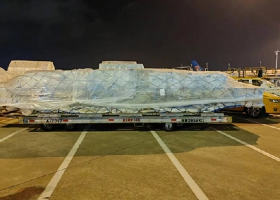
Handling oversize and overweight cargo requires expertise in logistics, coordination, and risk management. Here are some best practices to ensure successful transport:
Before shipping oversized or overweight cargo, conduct a thorough assessment of the cargo and the transport requirements. This includes determining the best mode of transport, selecting the right equipment, and calculating the shipping costs.
Engage a logistics provider with experience in handling oversized and overweight cargo. A specialist logistics company can help with route planning, securing permits, managing customs clearance, and coordinating the transport from start to finish.
Packaging is essential for protecting goods during transit, especially for fragile or high-value oversized items. Custom packaging solutions can ensure that the cargo is secure and protected from damage during loading, unloading, and transportation.
Real-time tracking of oversized cargo is crucial for identifying any potential delays or issues. Many logistics providers offer advanced tracking systems that allow clients to monitor their cargo throughout the entire journey, ensuring smooth operations.
Below is a breakdown of estimated costs for transporting oversized and overweight cargo, considering different transport modes:
Cargo Type |
Weight (kg) |
Dimensions (m) |
Transport Mode |
Estimated Base Rate ($) |
Additional Charges ($) |
Total Cost ($) |
Heavy Machinery |
10,000 |
4 x 2 x 3 |
Road Transport |
5,000 |
500 (permits) |
5,500 |
Industrial Equipment |
25,000 |
6 x 3 x 4 |
Sea Freight |
20,000 |
2,000 (loading) |
22,000 |
Wind Turbine Blades |
5,000 |
8 x 1 x 1 |
Air Freight |
15,000 |
1,000 (insurance) |
16,000 |
Oil Rig Parts |
50,000 |
12 x 4 x 6 |
Rail Transport |
30,000 |
3,000 (customs) |
33,000 |
Transport Crates |
500 |
2 x 1 x 1 |
Road + Sea Freight |
2,000 |
100 (packaging) |
2,100 |
Handling oversized and overweight cargo presents a unique set of challenges that require specialized knowledge, equipment, and expertise. Proper route planning, obtaining necessary permits, using the right equipment, and selecting the appropriate transport mode are all critical factors in ensuring the successful delivery of these goods.
At CNS INTERTRANS, we specialize in providing end-to-end logistics solutions for oversized and overweight cargo. Our team of experts is equipped to handle the complexities of out-of-gauge transport, from route planning to managing permits and ensuring on-time delivery. Whether you need to transport industrial equipment, heavy machinery, or large construction materials, we offer tailored solutions designed to meet your specific requirements.
Q: What is the difference between oversize cargo and overweight cargo?
A: Oversize cargo refers to goods that exceed standard dimensions, while overweight cargo exceeds the normal weight limits for conventional transport methods.
Q: How is out-of-gauge cargo handled?
A: Out-of-gauge cargo, which is both oversize and overweight, requires special handling, including customized packaging, transport equipment, route planning, and obtaining specific permits.
Q: Can oversized cargo be shipped by air?
A: Yes, oversized cargo can be shipped by air, though it is typically more expensive and requires specialized aircraft and cargo handling equipment.
Q: How can I reduce the costs of transporting oversized cargo?
A: To reduce costs, consider consolidating shipments, optimizing packaging, negotiating rates with logistics providers, and selecting the most efficient transport mode for your needs.