
Views: 0 Author: Site Editor Publish Time: 2026-04-08 Origin: Site


Every international shipment begins with one basic question: what type of cargo is being transported? The answer determines how the goods will be packaged, handled, stored, and delivered across global supply chains. Understanding the Types Of Cargo is therefore one of the first steps in planning efficient logistics. Different cargo categories require different transportation methods, equipment, safety measures, and documentation.
For companies involved in international trade, recognizing the five major cargo classifications helps determine whether standard shipping solutions are sufficient or whether specialized logistics services are required. From bulk commodities to heavy industrial equipment, cargo classification influences the entire transportation process, including vessel selection, handling operations, and risk management.
Cargo classification directly influences how goods are handled during transportation. Some cargo types require specialized loading equipment, while others can be moved using standard logistics infrastructure.
For example, dry bulk cargo such as grain or coal is handled through conveyor systems and bulk storage facilities. Containerized cargo, on the other hand, moves through container cranes and standardized logistics networks.
Oversized machinery transported as breakbulk cargo may require heavy lift cranes and specialized transport trailers.
Selecting the correct cargo classification ensures that the right equipment is used throughout the logistics chain.
Different cargo types follow different transportation routes and cost structures. Bulk cargo shipments often use specialized bulk carriers, while containerized goods rely on container shipping lines operating global trade routes.
The classification of cargo affects shipping schedules, loading procedures, and the types of vessels used for transportation.
Understanding cargo types early in the planning process allows logistics teams to select the most efficient and cost-effective transport method.
Safety regulations vary depending on the cargo category. Certain cargo types require strict compliance with international transport regulations to ensure safe handling and storage.
For example, liquid bulk cargo may require specialized containment systems to prevent leakage, while heavy machinery transported as breakbulk cargo requires secure lashing to prevent movement during transit.
Proper cargo classification ensures that all regulatory and safety requirements are addressed before transportation begins.
Dry bulk cargo refers to unpackaged goods transported in large quantities. These materials are typically loose commodities loaded directly into the cargo holds of bulk carrier vessels.
Dry bulk shipments involve large volumes of uniform materials that can be handled efficiently through automated loading systems.
Typical dry bulk cargo includes raw materials such as coal, iron ore, cement, grain, fertilizer, and sand. These commodities form the foundation of many global industries, including construction, agriculture, and manufacturing.
Because these goods are shipped in massive quantities, dry bulk transportation is optimized for volume efficiency.
Dry bulk cargo is usually transported using bulk carrier vessels designed with large cargo holds. Loading and unloading operations often rely on conveyor systems, cranes, or specialized bulk terminals.
Because these materials are transported loose rather than packaged, storage facilities must be designed to prevent contamination and maintain cargo quality.
Liquid bulk cargo consists of fluids transported in large quantities using specialized tanker vessels. These liquids are stored in tanks built into the vessel’s structure.
Common liquid bulk cargo includes crude oil, petroleum products, liquefied natural gas, chemicals, and edible oils.
These products require strict handling procedures to ensure safe transportation and prevent environmental hazards.
Unlike dry cargo, liquids require closed containment systems during transportation. Specialized pumps, pipelines, and transfer equipment are used to load and unload liquid cargo from tankers.
Storage facilities at ports must also be equipped with tanks capable of safely storing large volumes of liquid cargo.
Efficient transfer systems are essential for maintaining safety and operational efficiency during liquid bulk transport.
Liquid cargo can present significant safety risks if not handled properly. Certain liquids are flammable, corrosive, or hazardous to the environment.
Strict regulations govern how these materials are transported and stored. Tankers must meet international safety standards, and loading procedures must follow precise operational guidelines.
Containerized cargo is one of the most widely used cargo types in global trade. Standard shipping containers allow goods to be transported efficiently across ships, trucks, and rail networks.
Containers protect cargo from damage and weather conditions while enabling faster loading and unloading operations.
The global container shipping system has created a highly efficient logistics network capable of handling millions of shipments each year.
Containerized cargo typically includes packaged consumer goods, electronics, textiles, industrial components, and many manufactured products.
These goods are packed into standardized containers, which can be easily transferred between different transport modes.
Containerization simplifies logistics operations and reduces cargo handling risks.
Despite its efficiency, container shipping has limitations. Certain cargo pieces exceed container dimensions or require special handling procedures.
Large machinery, industrial equipment, and oversized components cannot always fit inside standard containers. In these cases, alternative shipping methods such as breakbulk transport become necessary.
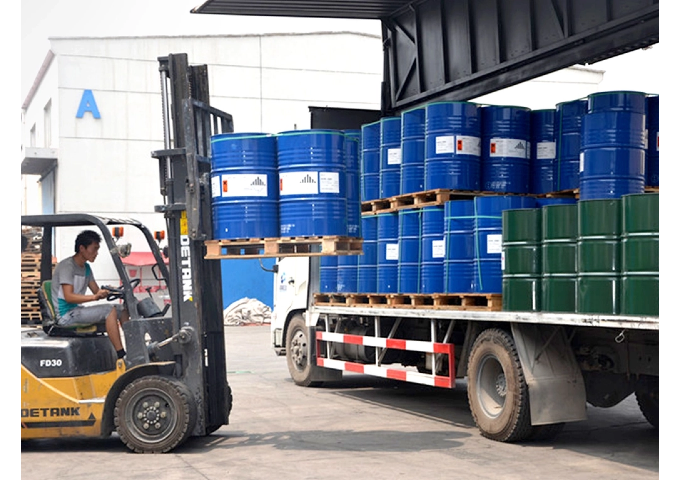
Roll-on/Roll-off cargo refers to vehicles or equipment that can be driven onto and off specialized ships using ramps.
Ro-Ro vessels are designed to transport wheeled cargo that can move under its own power or be transported on trailers.
Common examples of Ro-Ro cargo include automobiles, trucks, buses, agricultural machinery, and construction vehicles.
These vehicles are driven onto the ship during loading and driven off again once the vessel reaches its destination port.
This method eliminates the need for cranes or heavy lifting equipment during cargo operations.
Ro-Ro shipping offers fast loading and unloading processes, making it ideal for transporting large numbers of vehicles.
However, this method is limited to cargo that can move on wheels or be placed on rolling platforms.
Large industrial machinery that cannot be driven or mounted on trailers may require alternative shipping methods.
Breakbulk cargo refers to goods that cannot be transported in containers and must instead be loaded individually onto vessels.
Each cargo unit is handled separately and secured directly onto the ship’s deck or cargo hold.
This method allows oversized cargo pieces to be transported safely without container limitations.
Breakbulk cargo commonly includes industrial machinery, steel structures, construction equipment, and heavy manufacturing components.
These cargo pieces often exceed container dimensions and require specialized lifting equipment during loading and unloading operations.
Although the terms sound similar, breakbulk cargo is different from bulk cargo.
Bulk cargo refers to loose commodities such as grain or coal transported in large quantities, while breakbulk cargo consists of individual packaged units that must be handled separately.
Understanding this distinction helps companies choose the appropriate logistics method for their shipments.
Project cargo is frequently associated with breakbulk transportation because both involve oversized equipment that cannot be containerized.
However, project cargo logistics extends beyond simple cargo classification.
It involves comprehensive planning, route analysis, and coordination across multiple transportation stages.
Certain shipments cannot be categorized solely by cargo type. For example, transporting an entire industrial plant may involve machinery, structural components, and auxiliary equipment shipped from different locations.
These shipments require coordinated logistics planning to ensure that all components arrive at the project site in the correct sequence.
Large engineering projects often require transporting oversized machinery, urgent replacement parts, or regulated equipment.
Such shipments demand specialized logistics services that integrate ocean transport, inland transportation, and project coordination.
CNS INTERTRANS has built extensive experience supporting these types of complex shipments. Since its establishment in Shenzhen in 2005, the company has developed strong partnerships with logistics providers in more than 100 countries and maintains operational networks across hundreds of global ports.
Through years of experience transporting ultra-long, ultra-wide, ultra-high, and overweight engineering equipment, CNS INTERTRANS supports complex project logistics across multiple industries.
Understanding cargo classification helps companies determine whether their shipment fits within routine logistics operations or requires specialized handling.
Consumer products and packaged goods typically move through containerized shipping networks, while heavy machinery may require breakbulk or project cargo logistics solutions.
Most cargo types rely on scheduled shipping services. However, certain shipments require more flexible logistics arrangements.
Urgent project components or extremely large equipment may require charter vessels or specialized transport solutions.
These options provide greater flexibility when standard shipping routes cannot accommodate specific cargo requirements.
Complex shipments sometimes involve multiple cargo types. For example, a large industrial project may include containerized equipment, breakbulk machinery, and specialized components shipped separately.
Coordinating these shipments requires careful planning to ensure that all cargo arrives at the project site according to the installation schedule.
Cargo Type | Typical Goods | Main Transport Method | Main Handling Requirement |
Dry Bulk | Coal, grain, cement | Bulk carrier vessels | Conveyor loading systems |
Liquid Bulk | Oil, chemicals, fuel | Tanker ships | Pump transfer systems |
Containerized | Consumer goods, electronics | Container ships | Container cranes |
Ro-Ro | Vehicles, trucks, heavy equipment | Ro-Ro vessels | Ramp loading |
Breakbulk | Machinery, steel structures | Heavy lift vessels | Crane lifting operations |
Understanding the major cargo categories is an essential step in planning efficient global shipping operations. Recognizing the differences between bulk cargo, containerized goods, vehicle shipments, and oversized equipment helps businesses select the most appropriate logistics strategy for their needs. When shipments involve large machinery, complex installation schedules, or specialized handling requirements, industrial cargo logistics becomes necessary to ensure safe and reliable transportation.
With extensive experience in transporting large engineering equipment across global trade routes, CNS INTERTRANS supports complex logistics operations for industries worldwide. If your business is preparing to ship oversized machinery or specialized cargo, contact us to learn how our global logistics services can help ensure safe and efficient delivery.
The five main types of cargo are dry bulk, liquid bulk, containerized cargo, roll-on/roll-off cargo, and breakbulk cargo. Each category requires different transportation and handling methods.
Cargo classification determines how goods are handled, stored, and transported. It also affects shipping costs, safety procedures, and vessel selection.
Breakbulk shipping is used for oversized cargo that cannot fit inside containers, such as large machinery, construction equipment, and steel structures.
Project cargo logistics is required when shipments involve oversized equipment, complex delivery schedules, or multiple cargo pieces linked to a larger industrial project.