
Views: 0 Author: Site Editor Publish Time: 2026-07-15 Origin: Site


Urgent cargo does not wait for normal shipping cycles. A delayed spare part can stop a factory. A missed delivery can delay a whole project. For these cases, Cargo Air Chartering Transportation may be the safer choice. In this article, you will learn when air charter beats sea freight, when sea freight still works, and how to compare cost, speed, and risk.
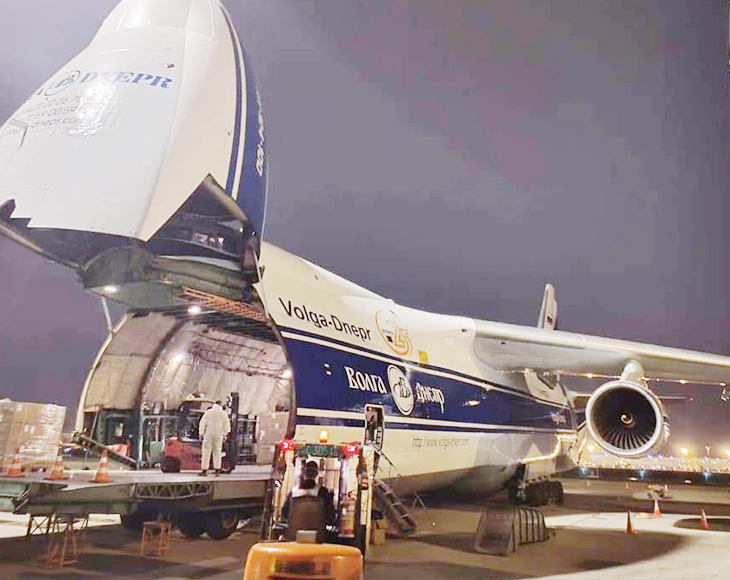
The main difference is not only speed. It is control. Sea freight moves large cargo at a lower base cost, but it depends on vessel schedules, port handling, customs flow, and inland delivery windows. Air charter costs more, but it can give the shipper a dedicated or partly dedicated aircraft solution.
For urgent cargo, the real question is simple: what happens if the cargo arrives late? If the answer includes production shutdowns, contract penalties, lost sales, or delayed installation, the lower freight rate may not be the better financial choice.
Cargo Air Chartering Transportation is designed for cargo that needs greater flexibility, safety, and efficiency. It is often suitable for urgent, special, or high-value cargo, including large machinery, engineering equipment, automobiles, and medical supplies.
If the cargo must move within days, air charter usually has the advantage. It can reduce waiting time caused by vessel schedules or limited regular flight options. This matters when a part is needed to restart a line, support an outage, or meet a project handover date.
Sea freight works better when the schedule is planned early. It needs more buffer time. Even when sailing time looks acceptable, port congestion, transshipment, inland pickup, and final delivery can add uncertainty.
A shipment may look expensive by air, but delay may cost more. For example, a machine part worth $20,000 may support a production line worth much more per day. In this case, the real comparison is not air rate versus sea rate. It is air rate versus the cost of business interruption.
This is where urgent cargo needs a total-cost view. Freight price is only one part of the decision.
Large cargo may not fit standard freight flows. Oversized machines, engineering parts, or heavy equipment may need special loading plans. Air charter can help when regular aircraft space is not enough or when cargo needs specific pallets, containers, or aircraft arrangements.
Sea freight can handle large volume, but it may need special container solutions, breakbulk space, port equipment, or extra handling time. If time is tight, these steps must be checked early.
A direct route reduces time and risk. When no direct scheduled flight is available, charter service can help cover the gap.
Sea freight often uses fixed routes. If the cargo must move from an inland plant to another inland site, the full route may include truck, port, vessel, port, customs, and truck again. Each step can affect the final date.
Urgent cargo is often sensitive cargo. It may be expensive, fragile, oversized, or hard to replace. More transfers mean more chances for damage, loss, mismatch, or delay. Air charter can reduce this problem because the cargo may move in fewer steps.
Sea freight can still be safe, but it usually involves more touchpoints. For normal cargo, this may be acceptable. For critical cargo, it may raise risk.
Tip:Always compare the cost of delay before choosing the cheaper freight mode.
Air charter is not for every shipment. It is most useful when the cargo has a hard deadline, limited regular capacity, high value, or special handling needs. It also makes sense when the shipping plan must be built around the cargo, not around a fixed transport schedule.
Cargo Air Chartering Transportation can involve renting full or partial aircraft space, plus related pallets or containers, for goods that exceed standard size or weight limits. This is important for urgent cargo because normal logistics channels may not match the cargo’s size, timing, or route.
Scheduled air freight can be fast, but it has limits. Available space may be too small. The aircraft may not accept the cargo length, height, or weight. Peak season can also make space tight.
In this case, air charter can solve a capacity problem. It gives the logistics team more room to match cargo needs with aircraft options.
Some cargo simply cannot wait for a vessel. This includes emergency spare parts, production equipment, project machinery, medical supplies, and urgent automotive components. If the cargo supports active operations, the time saved by air charter may protect far more value than the freight cost.
For urgent cargo, the practical question is not “Which mode is cheaper?” It is “Which mode protects the project?”
Direct movement can reduce handling and transfer risk. This is useful for cargo that is high-value, sensitive, or difficult to replace. It is also useful for cargo that needs close coordination from origin pickup to final delivery.
Charter flights can reduce multiple shipments and extra procedures, helping cargo move faster and more directly.
Large cargo often creates loading challenges. It may need forklifts, cranes, special pallets, reinforced packaging, or airport handling checks. A charter plan can review these needs before shipment.
Sea freight may also support large cargo, but urgent loading windows can be harder to control. If the delivery date is fixed, aircraft suitability and loading feasibility should be checked as early as possible.
Note:Air charter is strongest when speed, control, and cargo safety matter more than base freight cost.
Sea freight remains a strong option for many shipments. It is usually better when cargo is heavy, large in volume, and not time-critical. It also helps when the buyer has enough planning time and can accept longer transit.
For project cargo, sea freight may be the right choice when the cargo is booked early and delivery windows are realistic. The key is planning. Sea freight becomes risky only when the cargo is urgent and the deadline leaves no room for delay.
If the cargo can arrive in several weeks, sea freight may be the better choice. It gives better cost control and can handle many types of large cargo. The shipper can plan around vessel schedules, customs needs, and inland transport.
The deadline must include buffer time. A sailing schedule alone is not the full delivery plan.
Large-volume cargo often favors sea freight. Containers, breakbulk, and special shipping options can move heavy equipment more economically than air charter. This works well when the cargo does not support an urgent production or repair need.
If the shipment is bulky but not time-sensitive, sea freight may protect budget without creating major risk.
Sea freight works best when the cargo owner starts early. The team can confirm packaging, lifting, port handling, customs documents, and final delivery. Early planning also gives more room to solve problems before they affect the schedule.
Urgent shipments rarely have this advantage. That is why they often need air charter review.
Sea freight usually has a lower freight cost. Air charter usually has a higher freight cost. But urgent cargo needs a wider cost model. A cheaper shipment can become expensive if it arrives too late.
Use this simple comparison:
Decision Factor | Air Charter | Sea Freight |
Best for | Urgent, high-value, special cargo | Planned, large-volume, flexible cargo |
Delivery speed | Faster and more controlled | Slower, schedule-based |
Route flexibility | Higher | Lower to moderate |
Transfer risk | Often lower | Often higher |
Base freight cost | Higher | Lower |
Delay risk | Lower when planned well | Higher for urgent timelines |
Best question to ask | Can delay be avoided? | Is there enough time? |
If a vessel saves freight cost but delays production, the saving may disappear quickly. For example, a late replacement part can affect labor, equipment, inventory, and customer commitments. In that case, air charter may be the more practical choice.
This does not mean air charter is always better. It means urgent cargo needs a business-impact calculation.
Short inventory makes time more important. A factory may need one part to keep running. A construction site may need one machine to continue work. A hospital or medical supplier may need sensitive cargo by a fixed time.
In these cases, delay has a measurable cost. The freight decision should reflect it.
Damage can be more expensive than freight. If a large or high-value cargo item is damaged, replacement may take weeks or months. Cargo Air Chartering Transportation can reduce the number of handling points, which may help lower damage, cargo difference, or loss risks.
Tip:For urgent cargo, ask for a risk-based quote, not only a low-price quote.
Certain cargo types often make air charter easier to justify. They usually share one thing: the cost of delay is high. They may also need better control over route, loading, or handling.
Large machinery may be needed for installation, repair, or project progress. If the machine is late, the whole schedule may shift. Air charter can help when the cargo is oversized, valuable, or time-critical.
Automotive and industrial parts can stop a production line if they do not arrive on time. Air charter is often considered when regular air freight space is unavailable or sea freight cannot meet the deadline.
This is especially true for parts that are custom-made, heavy, or hard to source quickly.
Medical supplies and high-value cargo often need speed and safer handling. They may also need tight coordination through customs, airport handling, and final delivery. Air charter can help when timing and control are both important.
Oversized cargo may not fit standard container or scheduled air plans. It may need a custom route and loading review. Cargo Air Chartering Transportation is suitable for goods that exceed standard size or weight limits and need flexible transport planning.
CNS INTERTRANS helps urgent cargo move through flexible air, sea, and land solutions. Sea freight suits planned shipments and lower-cost moves. Cargo Air Chartering Transportation suits urgent, large, special, or high-value cargo. It adds speed, control, safer handling, and route flexibility when standard freight cannot meet the deadline.
A: Cargo Air Chartering Transportation rents full or partial aircraft space for urgent, special, or large cargo.
A: Yes. Air charter is usually faster when cargo must arrive within days.
A: Cargo Air Chartering Transportation improves speed, route control, capacity, and handling safety.
A: Usually yes, but delay cost may make sea freight more expensive.
A: Avoid it when the cargo has no timing buffer.
A: Yes. Cargo Air Chartering Transportation can support large cargo loading and special planning.